Selecting the Perfect Swimming Pool: Types and Design Ideas for Your Backyard
Identifying the perfect swimming pool necessitates close examination of numerous designs and types. Each option, from in-ground to above-ground and inflatable pools, presents notable strengths and limitations. Grasping these variations helps homeowners form knowledgeable selections that complement their way of living and tastes. As aesthetics and functionality play vital roles, considering modern aesthetics and landscaping possibilities becomes necessary. Which elements should homeowners consider to ensure a well-executed setup?
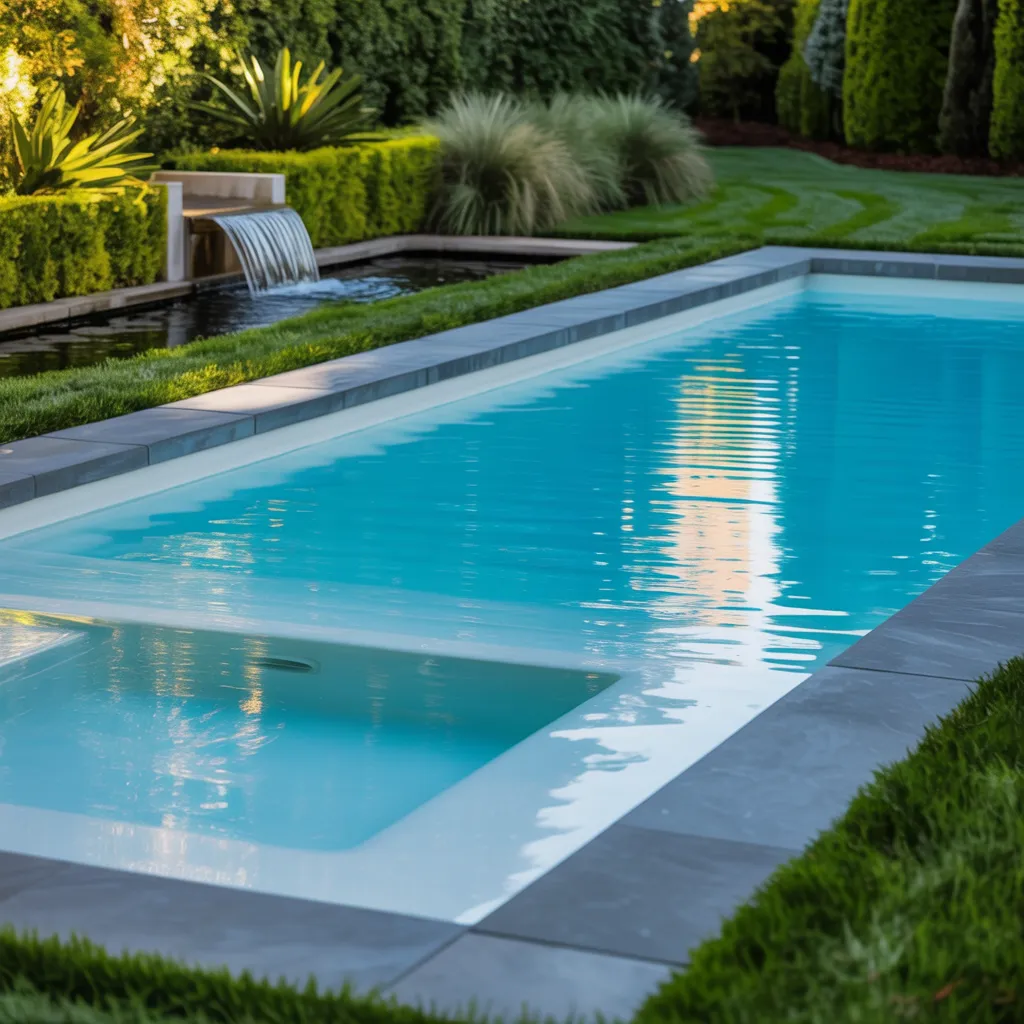
What Swimming Pool Type Is the Right Choice for You?
Selecting the ideal pool type can be a challenging decision for numerous homeowners. Various factors, including budget, available space, and purpose, play significant roles in this decision. Homeowners may explore options such as inground pools, aboveground pools, and even inflatable varieties.
Subterranean pools, frequently considered a more lasting solution, support diverse designs and customization, accommodating design tastes and natural surroundings integration. Conversely, aboveground pools provide budget-friendly pricing and straightforward installation, making them suitable for homeowners seeking budget-friendly or short-term solutions.
Moreover, inflatable pools deliver convenience and flexibility, well-suited for limited spaces or temporary needs. Every type possesses distinct advantages and drawbacks, so potential pool owners must evaluate their specific circumstances carefully. Ultimately, the best swimming pool choice should align with personal lifestyle, upkeep ability, and future objectives, securing a worthwhile investment that elevates outdoor spaces.
In-Ground vs. Above-Ground Pools: An Overview
When considering a backyard pool, home owners frequently struggle with the dilemma between above-ground and in-ground options. Underground pools generally provide a more lasting and visually appealing solution, seamlessly integrating with the landscape. They are customizable in shape, size, and materials, enabling a personalized adaptation to any outdoor design. However, installation can be costly and time-consuming.
In contrast, above-ground pools offer a more affordable option for homeowners seeking aquatic amenities. They require less effort to install and can often be set up in a matter of days. While they may lack the visual appeal of traditional in-ground pools, contemporary designs have significantly enhanced their appearance. Maintenance for both types varies, with in-ground pools typically demanding more maintenance. In the end, the final selection comes down to financial considerations, permanence, and individual taste, necessitating that homeowners thoroughly assess the benefits and drawbacks of each alternative.
Leading In-Ground Swimming Pool Options
When selecting an inground pool, multiple options present themselves with notable advantages. Concrete pools offer durability and customization, while fiberglass pools offer rapid installation and minimal upkeep. Vinyl liner pools offer a cost-effective solution with numerous design options, each catering to different preferences and budgets.
Benefits of Concrete Pools
Concrete pools are recognized as a top selection for in-ground swimming options due to their resilience and adaptability in design. In contrast to alternative materials, concrete can be formed into virtually any shape or size, enabling homeowners to craft a customized oasis that suits their yard perfectly. This versatility allows for features such as steps, benches, and water features can be effortlessly incorporated. In addition, concrete pools are remarkably durable, able to withstand severe climates and intensive use. Given the right upkeep, they offer decades of service, making them a worthwhile long-term commitment. Beyond that, concrete's inherent texture permits numerous finishing options, ranging from tile work to plaster applications, boosting visual attractiveness. In summary, concrete pools provide a blend of functionality and style, making them a compelling choice.
Advantages of Fiberglass Pools
Fiberglass pools present an attractive option for homeowners seeking an in-ground swimming solution, especially due to their minimal upkeep needs and rapid installation timeline. Built using a resilient material, these pools inhibit algae development, greatly reducing the need for chemical treatments. Their sleek surface is not only comfortable against the skin but also lowers the likelihood of abrasions and skin irritation. Additionally, fiberglass pools can be found in an array of shapes and sizes, permitting tailoring to suit different outdoor settings. The adaptability in design empowers homeowners to develop a one-of-a-kind outdoor area. Additionally, their energy efficiency can lead to lower heating costs, making fiberglass pools a sensible and cost-effective option for individuals seeking to upgrade their outdoor living space.
Vinyl Liner Selections
Vinyl liner pools serve as a popular choice for homeowners seeking a customizable and cost-effective in-ground swimming solution. These pools are equipped with a durable vinyl liner, which enables diverse shapes and configurations, suiting diverse backyard designs. Homeowners can select from an extensive range of designs and color options, elevating the overall look of their backyard environments.
In addition, vinyl liner pools are typically more budget-friendly to construct than fiberglass or concrete alternatives. Care is also more straightforward, as the smooth surface prevents the growth of algae. Nevertheless, it is crucial to recognize that liners commonly need to be renewed every 7 to 15 years, depending on the level of use and upkeep. All things considered, vinyl liner pools provide an excellent combination of affordability, versatility, and manageable maintenance for homeowners today.
Innovative Swimming Pool Designs for Your Outdoor Space
What distinguishes a modern pool design in a backyard setting? The clean lines and minimalist design create a welcoming ambiance that harmoniously integrates with modern architecture. These pools frequently incorporate geometric forms, such as rectangles or squares, improving definition and visual appeal in outdoor areas. Materials like glass, stainless steel, and natural stone are frequently used, offering a sophisticated yet understated look.
Infinity edges are a hallmark of modern design, creating a seamless visual link between the pool and its environment, frequently creating the impression of water stretching toward the horizon. Moreover, including amenities like LED lighting and built-in seating improves practicality and enriches the overall ambiance.
Water elements, such as fountains or cascading waterfalls, can be incorporated to add a sense of elegance. At their core, modern pool designs emphasize not just visual appeal but also the overall experience, turning backyards into opulent sanctuaries that welcome relaxation and enjoyment.
Garden Ideas to Upgrade Your Pool Area
Upgrading the pool area necessitates careful landscaping that creates a unified environment. Including rich vegetation, attractive deck elements, and useful overhead coverage can transform the space into a peaceful retreat. These additions not only boost the visual atmosphere but also increase practicality and enjoyment.
Verdant Green Landscapes
When considering the aesthetic appeal of a swimming pool, rich natural surroundings can greatly enhance the complete enjoyment. Integrating dynamic garden features, such as ornamental grasses, flowering shrubs, and native plants, establishes a serene environment that harmonizes with the water's blue hues. Carefully situated trees not only offer shelter but also introduce dimensional appeal, while low-lying vegetation can soften hard edges around the pool area. Moreover, the incorporation of tropical plants, like palms and ferns, can create a vacation-inspired setting. To maximize the visual impact, layering plants at varying heights establishes visual complexity, while vibrant flowers offer year-round appeal. In summary, a well-designed landscape reshapes the pool surroundings into a peaceful retreat, encouraging rest and leisure.
Ornamental Pool Decking
Decorative pool decking serves as an essential element in creating an inviting and functional outdoor space. It improves the visual appeal while offering a secure surface for poolside use. A wide range of materials, including natural stone, concrete, and wood, provide distinctive textures and hues, enabling homeowners to select designs that harmonize with their environment. Incorporating patterns, mosaics, or decorative tiles can further elevate the visual appeal. Additionally, integrating landscaping features, like planters or seating areas, can seamlessly blend the decking with the yard. Proper drainage and slip-resistant finishes are crucial considerations for safety. By deliberately choosing and crafting pool decking, homeowners can turn their pool surroundings into a refined haven that embodies personal character and fosters a sense of calm.
Effective Shade Alternatives
A well-designed pool area goes beyond looks to prioritize comfort and functionality. To maximize the potential of the space, incorporating practical shading solutions is important. Pergolas offer a stylish solution, providing partial coverage while allowing light to filter through. Shade sails are another versatile choice, easily adjustable to block the sun as needed. For a lasting installation, gazebos can form a welcoming hideaway, furnished with comfortable seating and decorative touches. Additionally, carefully positioned trees and hedges can offer organic coverage, enhancing the natural character of the space. These options both safeguard swimmers from the sun and establish inviting spaces for relaxation, making the pool area enjoyable throughout the day.
Planning Your Budget for the Perfect Swimming Pool
While the appeal of a dream swimming pool is hard to resist, careful budgeting is vital to turn that vision into reality. Homeowners should start by determining their overall budget, considering both installation and ongoing maintenance costs. Elements like pool style—inground or above ground—significantly affect overall costs. Although inground pools come at a higher cost, they frequently contribute significant value to a property.
Additionally, it is necessary to factor in extra features like heating, lighting, and decking, which can elevate the pool experience but also significantly raise costs. Landscaping around the pool should also be considered read the facts within your overall budget, as it contributes to the overall aesthetic.
Additionally, pool buyers should allocate resources for unexpected expenses, which can arise during the building process. Reaching out to professionals for estimates and reviewing financing options can bring transparency and assist in organizing the budgeting process, ensuring that the dream pool becomes a fulfilling achievement without financial hardship.
Frequently Asked Questions
How Do I Maintain Pool Water Quality Year-Round?
To maintain pool water quality year-round, consistent monitoring and balancing of pH and chlorine levels are critical. Routine cleaning, filtration, and monitoring of water temperature also contribute to a healthy swimming environment.
What Pool Safety Features Should I Be Considering?
Safety features to evaluate for a pool include fencing, self-closing gates, pool covers, alarms, and slip-resistant surfaces. Furthermore, adding pool lights and maintaining adequate supervision can significantly improve safety for everyone who uses the pool.
Can I Put in a Pool by Myself?
Yes, a pool can be installed by an individual, given that the person possesses the necessary knowledge, tools, and capabilities. However, professional assistance is often suggested to ensure proper construction, safety, and compliance with local regulations.
What Permits Are Needed for Installing a Pool?
Permits for pool installation typically include plumbing, building, and electrical permits. Municipal regulations can differ, so it is necessary to consult with local authorities to confirm conformity with local zoning ordinances and safety regulations.
What Is the Most Efficient Way to Heat My Pool?
To heat a pool efficiently, one can utilize heat pumps, gas heaters, or solar heaters. Moreover, adding a solar cover can assist in retaining heat, limiting energy loss throughout cooler nights and boosting the pool's overall heating efficiency.